
The Beatles’ eleventh studio album, Abbey Road, was released in 1966. Although Let It Be was the last album completed by the band before their breakup in April 1970, it was the last album the group started recording. On 26 September 1969, the album was released in the United Kingdom, and on 1 October 1969 in the United States. It reached number one in both countries. Mostly recorded between April, July and August 1969. The US chart-topping single from the album, “Something” / “Come Together“, was released in October.
Rock, pop, blues, singer-songwriter, and progressive rock are among the styles incorporated into Abbey Road, as well as Moog synthesizers and guitars played through a Leslie speaker unit. On side two, there is a long medley of songs that have subsequently been covered by other notable artists. The album was recorded in a more collegial atmosphere than the Get Back / Let It Be sessions earlier in the year, but there still were significant confrontations within the band, especially over Paul McCartney’s song “Maxwell’s Silver Hammer“, and John Lennon didn’t perform on several tracks. McCartney left the group the following year, but Lennon’s resignation wasn’t publicly announced until the album was released.
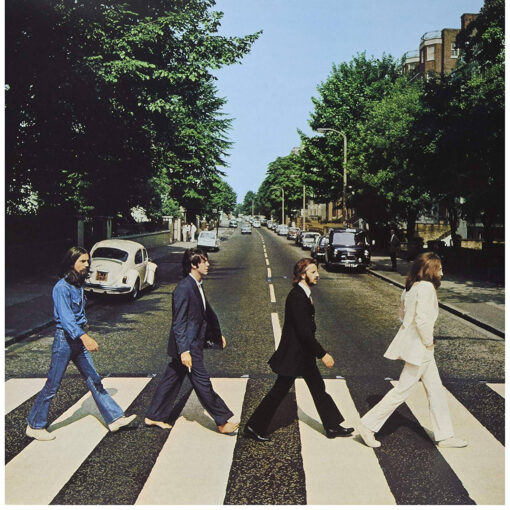
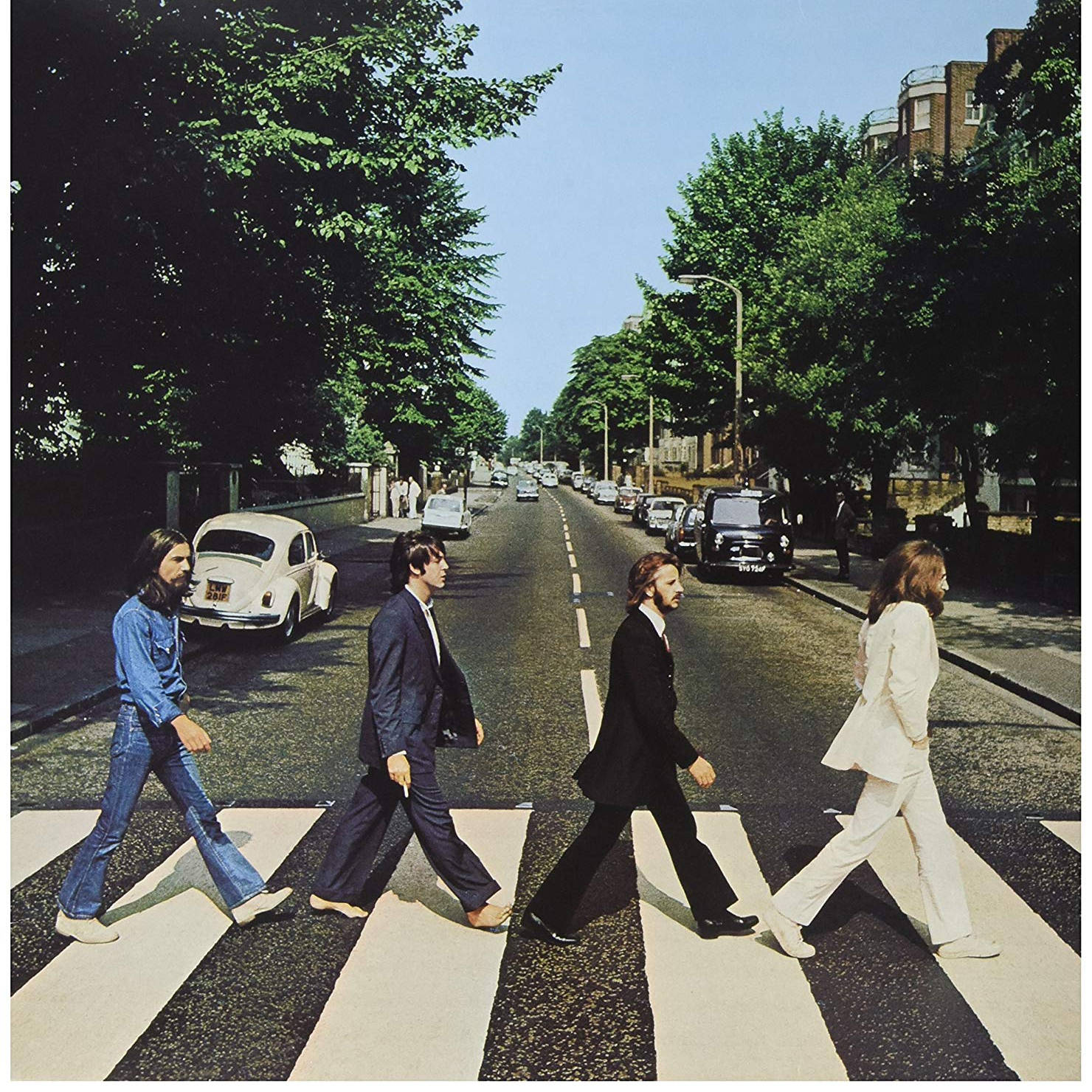
It was an immediate commercial success, but received mixed reviews. Many critics found the production’s music unauthentic and criticized its artificial effects. In contrast, critics today consider the album one of the Beatles’ best and rank it among the greatest albums of all time. There are two songs on the album by George Harrison (“Something” and “Here Comes The Sun“) that have been regarded as some of the best written by him. In the history of recorded music, the album’s cover, which depicts the group crossing a zebra crossing outside Abbey Road Studios, has become one of the most famous and imitated.
- Release date: September 26, 1969
- Genres: Rock, Pop rock, Rock and roll, Hard rock, Progressive rock, Blues rock, Art rock
- Label: Apple Records
- Awards: Grammy Award for Best Engineered Album, Non-Classical
- Length: 47:03
Abbey Road tracklist
SIDE A
- Come Together
(Lennon-McCartney) - Something
(Harrison) - Maxwell’s Silver Hammer
(Lennon-McCartney) - Oh! Darling
(Lennon-McCartney) - Octopus’s Garden
(Starkey) - I Want You (She’s So Heavy)
(Lennon-McCartney)
SIDE B
- Here Comes the Sun
(Harrison) - Because
(Lennon-McCartney) - You Never Give Me Your Money
(Lennon-McCartney) - Sun King
Lennon-McCartney) - Mean Mr. Mustard
(Lennon-McCartney) - Polythene Pam
(Lennon-McCartney) - She Came In Through the Bathroom Window
(Lennon-McCartney) - Golden Slumbers
(Lennon-McCartney) - Carry That Weight
(Lennon-McCartney) - The End
(Lennon-McCartney) - Her Majesty
(Lennon-McCartney)

13 thoughts on ““Abbey Road” album (1969)”