

About “Now And Then” Over the course of five decades, the realization of “Now and Then” was a journey filled with events, shaped by ongoing discussions and collaborations among the four Beatles that continue to this day. The legendary John Lennon demo, steeped in myth, saw its initial efforts in […]
Welcome to BeatlesTube
On BeatlesTube you will find all the information about the most influential pop-rock group in the history of music: the Beatles. Info and quotes on every Beatles' song, videos from their official channel, albums and much more.
Enjoy!
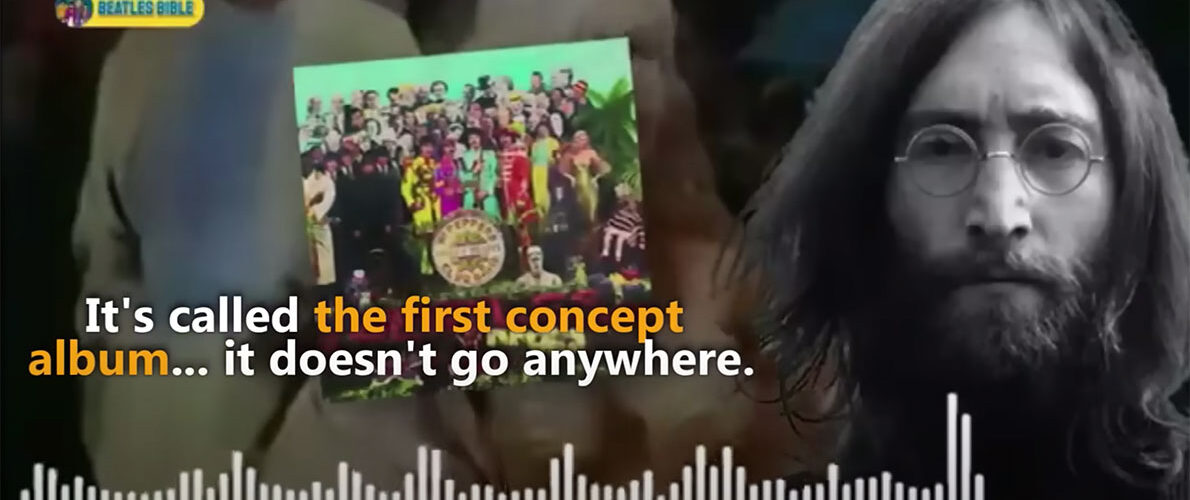
The Beatles’ mixed feelings towards the recording sessions of “Sgt. Pepper’s Lonely Hearts Club Band” can be attributed to several factors. By the mid-1960s, The Beatles were facing immense pressure to maintain their status as the world’s leading musical act. The constant touring and recording schedule was taking a toll […]
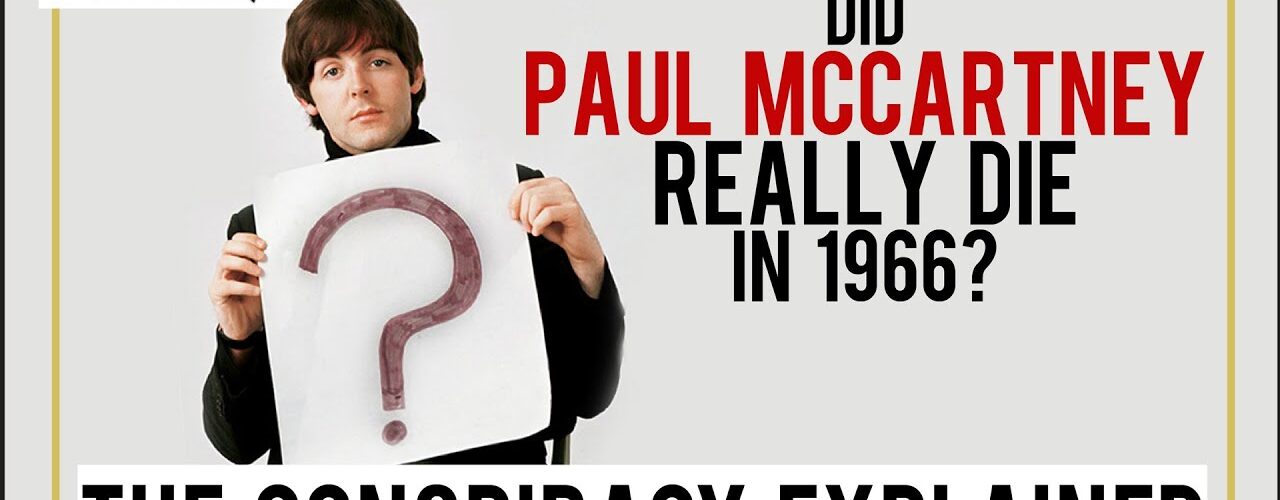
“Paul is Dead” is an enduring urban legend and conspiracy theory suggesting that the English musician Paul McCartney of the Beatles passed away in a tragic car accident in 1966 and was covertly replaced by a doppelgänger. This rumor first emerged in 1966, but gained widespread traction in September 1969, […]
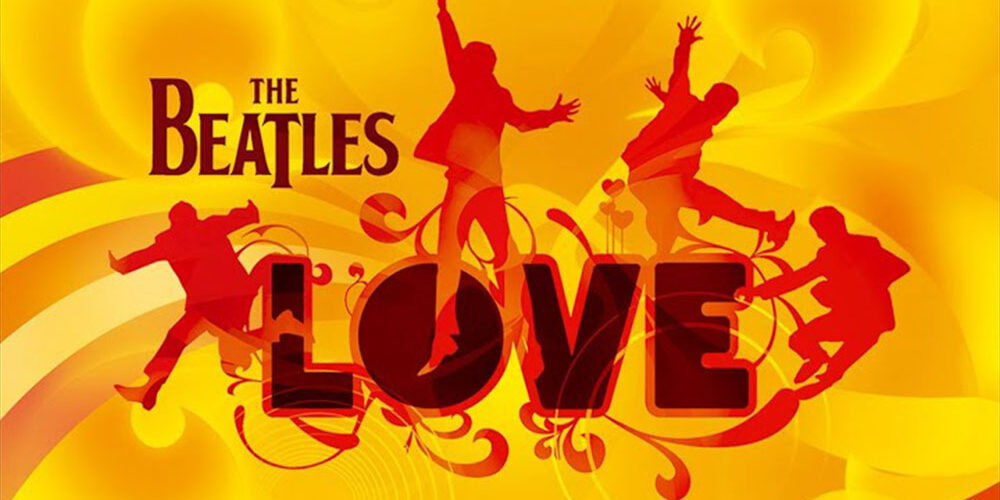
The Beatles’ “Love” album is a unique compilation released in 2006. It was created by George Martin and his son Giles Martin, who worked with the support of Paul McCartney, Ringo Starr, Yoko Ono, and Olivia Harrison. The album serves as the soundtrack to the Cirque du Soleil show of […]
Let It Be… Naked, released on 17 November 2003 by Apple Records, presents an alternative mix of the Beatles’ 1970 album ‘Let It Be.’ Paul McCartney spearheaded this project, aiming to recapture the band’s raw, live-to-tape essence, which he believed was not fully captured by the original album’s producer, Phil […]
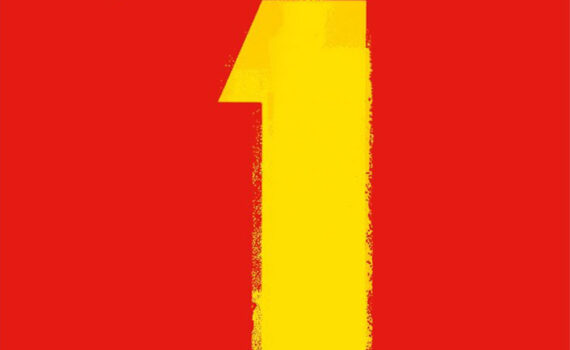
“1” is a compilation album released on November 13, 2000. The album features many of the Beatles’ number-one hits from various charts around the world. The album contains 27 tracks, each of which reached the number-one position on either the UK singles chart or the US Billboard Hot 100. “1” […]

“Anthology 3” is the final installment in a three-part series of albums released by The Beatles in 1996. This compilation album offers a unique insight into the band’s later years, showcasing a range of unreleased recordings, alternate takes, and live performances. One of the distinctive features of “Anthology 3” is […]
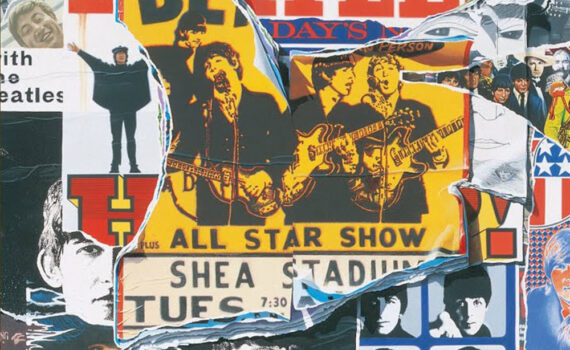
“Anthology 2” is the second installment of a three-part series of albums released by The Beatles in 1996. This compilation album features a diverse collection of previously unreleased recordings, alternating takes, and live performances from various periods in the band’s career. It provides a fascinating glimpse into the creative process […]

About Anthology I “Anthology I” by The Beatles is a compilation album that was released in 1995. It is the first volume of a three-part series that provides a comprehensive look at the Beatles’ musical journey. The album features a mix of studio outtakes, alternate versions of familiar songs, and […]

Past Masters is a two-disc compilation originally released as two separate volumes on 7 March 1988, as part of the first issue of the band’s catalogue on compact disc. Every song released commercially by the band that wasn’t on the Beatles’ 12 original UK albums or the US Magical Mystery Tour […]
Past Masters is a two-disc compilation originally released as two separate volumes on 7 March 1988, as part of the first issue of the band’s catalogue on compact disc. Every song released commercially by the band that wasn’t on the Beatles’ 12 original UK albums or the US Magical Mystery Tour […]
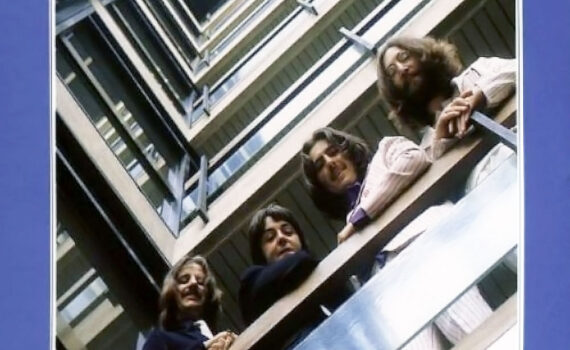
The Beatles 1967-1970 album, also called the Blue Album, is a compilation of songs from those years. This double LP was released in April 1973 along with 1962–1966 (the “Red Album”). 1967–1970 topped the US Billboard albums chart and reached number 2 on the UK Albums Chart. It was re-released in September 1993 on CD, […]